
Camera Settings - Quick Reference Field Guide
This is a personal guide I use when out in the field. It has been tailored to my equipment (Nikon) however it may be of assistance to you as a guide for when you're out in the field. I am continually refining it.
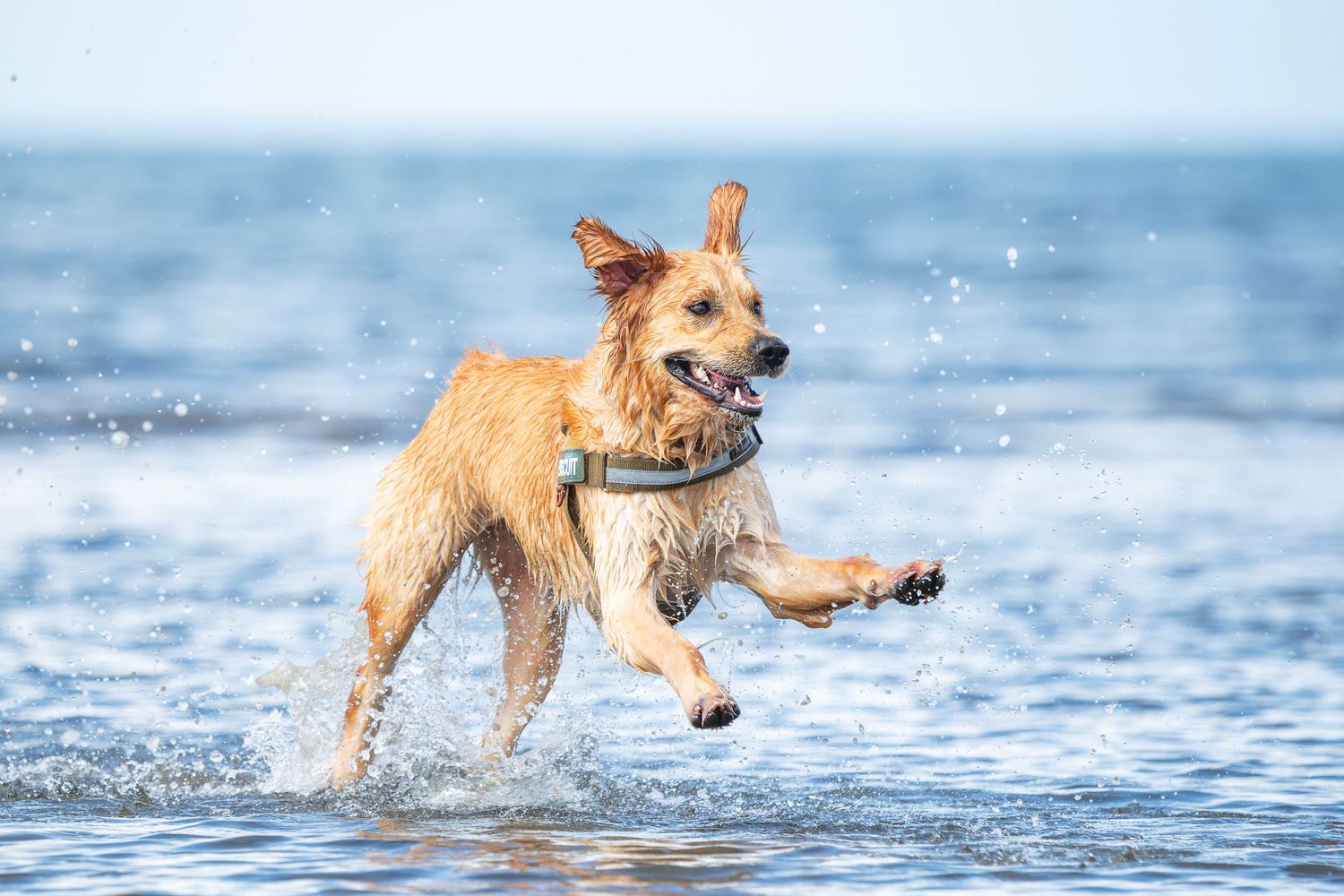
Animal Camera Settings
Animals - Still - Natural Light - Telephoto
- Camera: Nikon D850
- Lens: Sigma 150-600mm f/5.0-6.3
- Focal Length: 400-600mm
- Aperture: f7.1
- Shutter Speed: 1/1000th
- ISO: 100 or AUTO
- White Balance: Preset
- File Format: Shoot in RAW
Animals - Slow - Natural Light - Telephoto
- Camera: Nikon D850
- Lens: Sigma 150-600mm f/5.0-6.3
- Focal Length: 400-600mm
- Aperture: f7.1
- Shutter Speed: 1/2000th
- ISO: 100 or AUTO
- White Balance: Preset
- File Format: Shoot in RAW
Animals - Fast - Natural Light - Telephoto
- Camera: Nikon D850
- Lens: Sigma 150-600mm f/5.0-6.3
- Focal Length: 400-600mm
- Aperture: f7.1
- Shutter Speed: 1/4000th
- ISO: 100 or AUTO
- White Balance: Preset
- File Format: Shoot in RAW
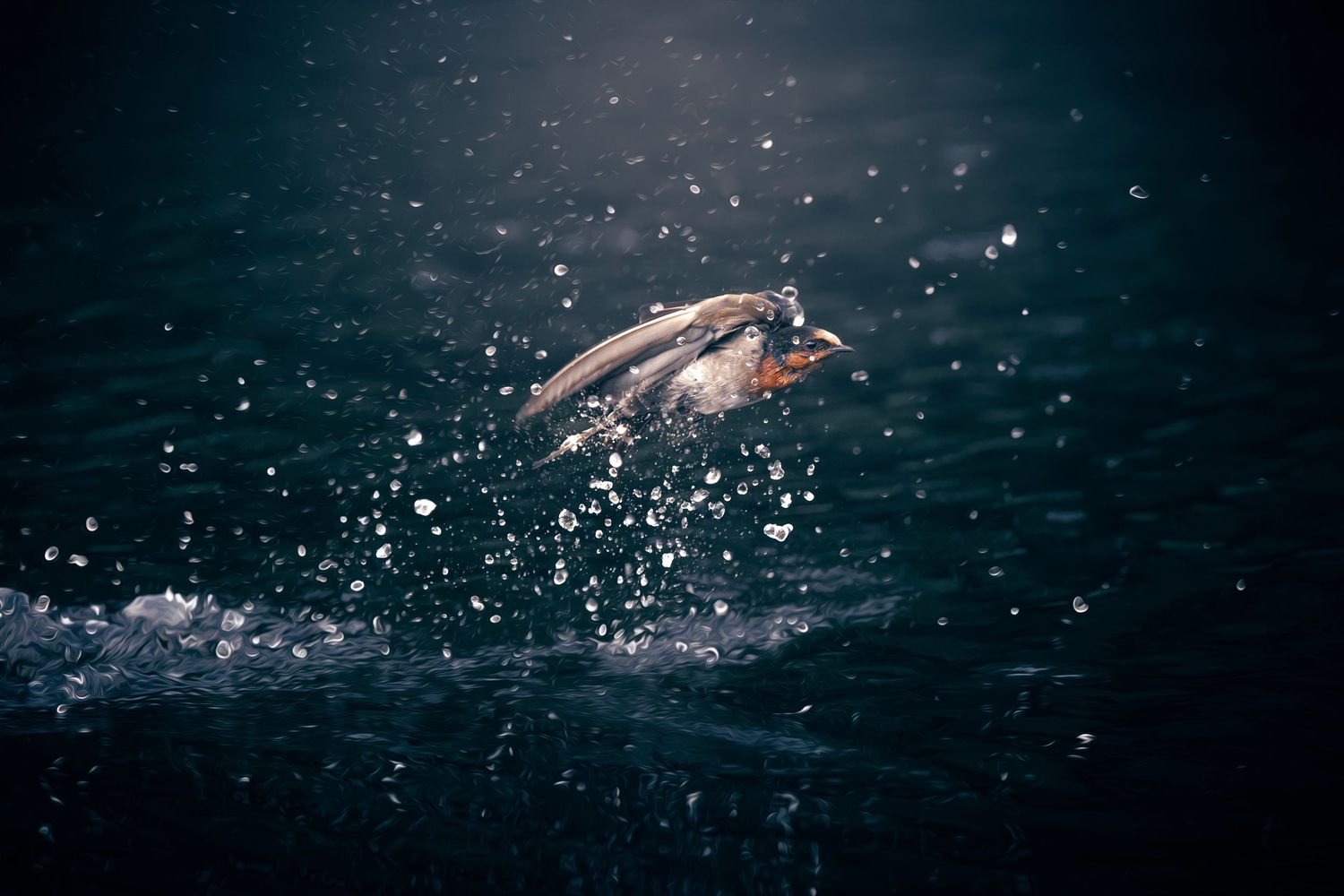
Bird Camera Settings
Birds - Slow Movement in Flight - Natural Light - Telephoto
- Camera: Nikon D850
- Lens: Sigma 150-600mm f/5.0-6.3
- Focal Length: 400-600mm
- Aperture: f7.1
- Shutter Speed: 1/2000th
- ISO: 100 or AUTO
- White Balance: Preset
- File Format: Shoot in RAW
Birds - Medium Size - In Flight - Natural Light - Telephoto
- Camera: Nikon D850
- Lens: Sigma 150-600mm f/5.0-6.3
- Focal Length: 400-600mm
- Aperture: f7.1
- Shutter Speed: 1/3200th
- ISO: 100 or AUTO
- White Balance: Preset
- File Format: Shoot in RAW
Birds - Small and Fast - In Flight - Natural Light - Telephoto
- Camera: Nikon D850
- Lens: Sigma 150-600mm f/5.0-6.3
- Focal Length: 400-600mm
- Aperture: f7.1
- Shutter Speed: 1/4000th+
- ISO: 100 or AUTO
- White Balance: Preset
- File Format: Shoot in RAW
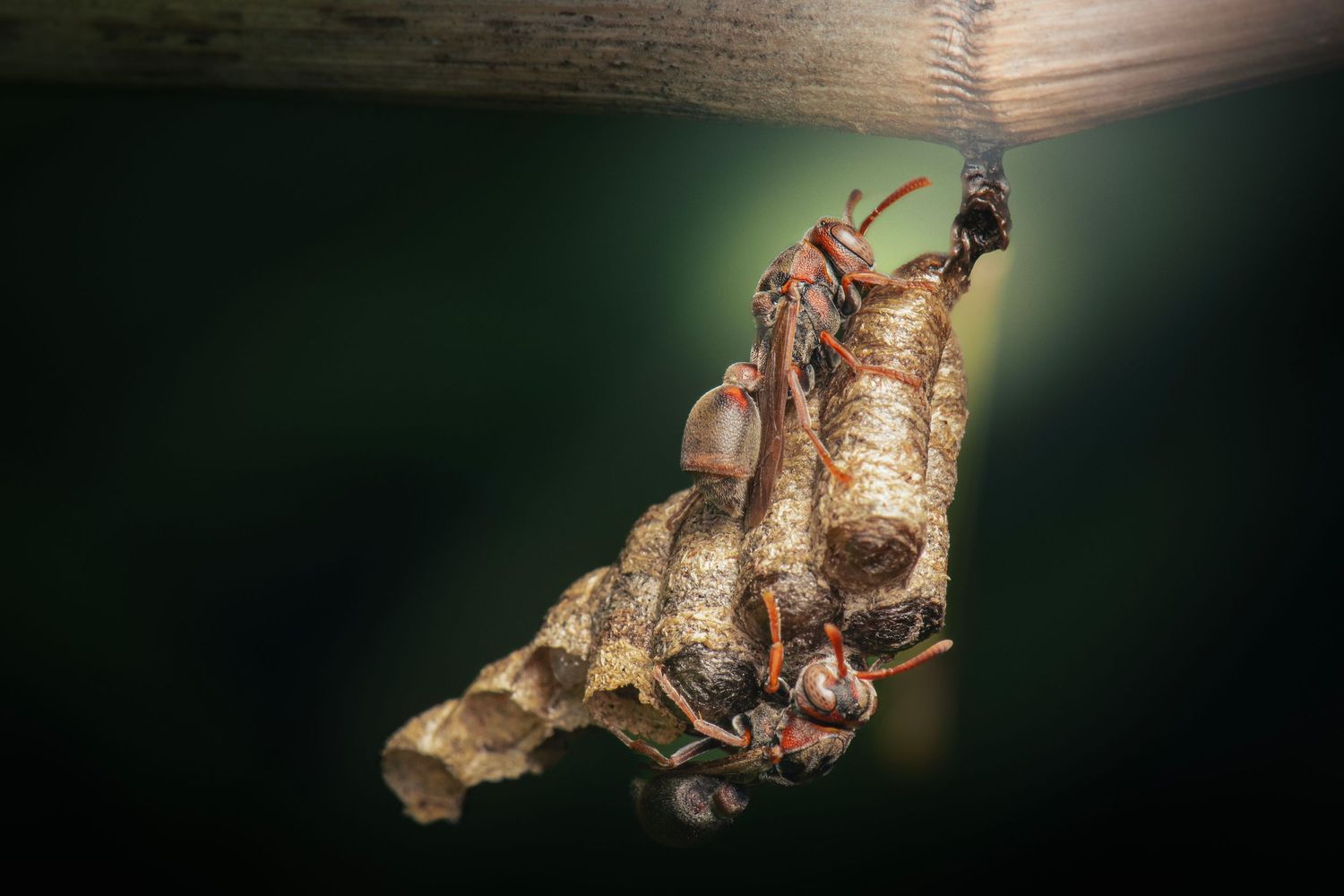
Insect Camera Settings
Insect - Macro - Flash with Diffuser
- Nikon D850
- Lens: 105mm Macro
- Focus Area: AFC D72 Auto or Manual - Infinity
- Godox V1 Flash and Diffuser
- Flash: 1/32 to 1/64th- manual or TTL
- Distance: 5-30cms
- Shooting Mode: Continuous High
- Shutter Speed: 1/250th
- ISO: 500 or Auto
- Aperture: f/11 to f/16
- White Balance: Flash
- File Format: Shoot in RAW
Insect - Macro - Flash with Diffuser and Raynox 250
- Nikon D850
- Lens: 105mm Macro
- Accessory: Raynox 250
- Focus Area: AFC D72 Auto or Manual - Infinity
- Godox V1 Flash and Diffuser
- Flash: 1/32 to 1/64th- manual
- Distance: 5-8cms
- Shooting Mode: Continuous High
- Shutter Speed: 1/250th
- ISO: 500 or Auto
- Aperture: f/11 to f/16
- White Balance: Flash
- File Format: Shoot in RAW
Insect - Macro - NIGHT with Flash and Diffuser
- Nikon D850
- 105mm
- AFC D72
- Godox V1 Flash and Diffuser
- Flash: 1/16 Power - Manual with Modelling Light ON
- Distance to suject: 5-15cms
- Shooting Mode: Continuous High
- Shutter Speed: 1/250th
- ISO: 100
- Aperture: f/11 to f/16
- White Balance: Flash
- File Format: Shoot in RAW
Insect - Macro - Artistic - Natural Light with Raynox 250
- Camera: Nikon D850
- Lens: Nikon 105mm f2.8
- Accessory: Raynox 250
- Manual Focus: Infinity
- Focus Area: AFC D72
- Distance: 5-8cms
- Shooting Mode: Continuous High
- Shutter Speed: 1/1000th to 1/4000th
- Aperture: f/11 to f/16
- ISO: Auto
- White Balance: To Suit
- File Format: Shoot in RAW
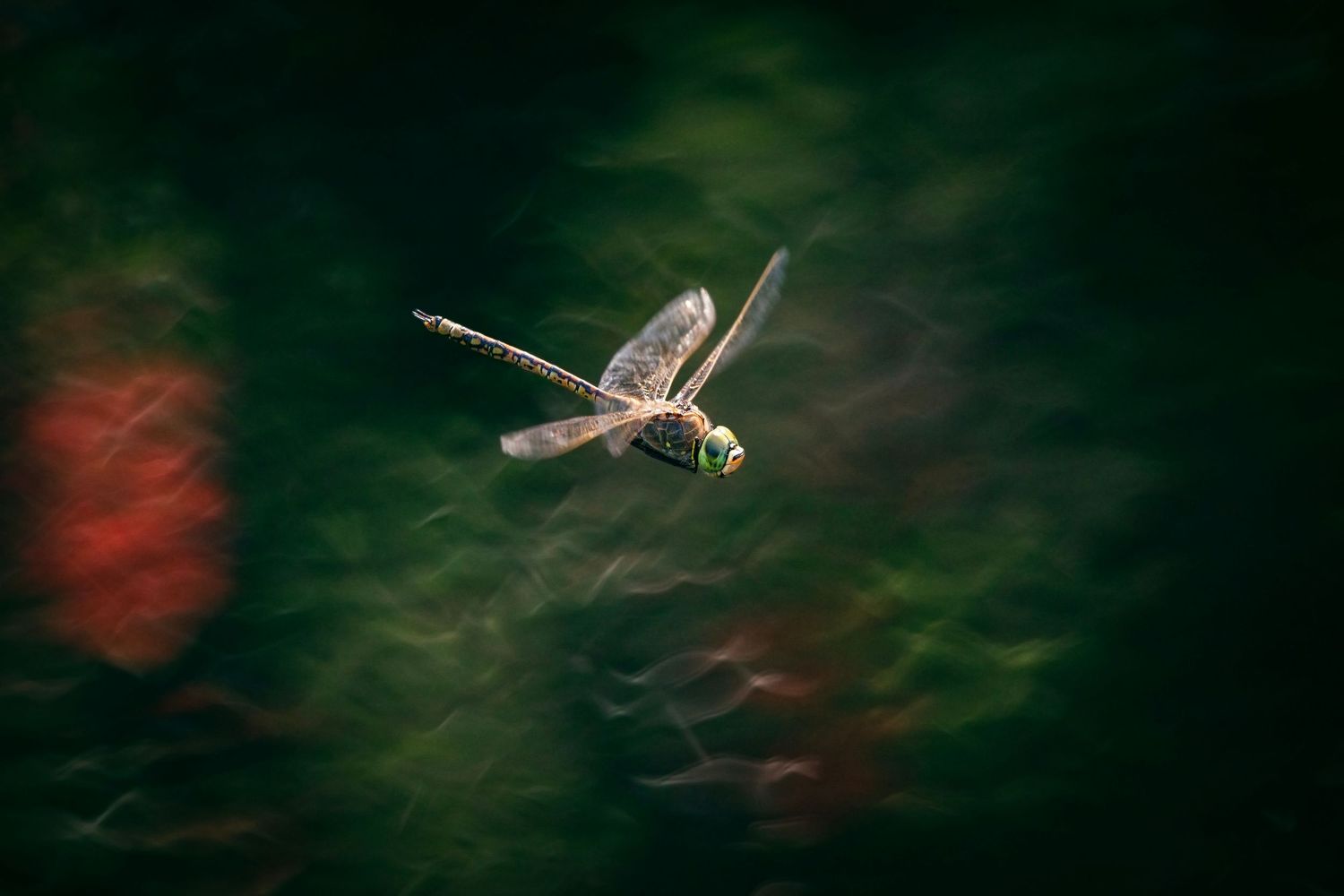
Insect - Telephoto - In Flight - Natural Light
- Nikon D850
- Sigma 150-600mm f/5.0-6.3
- Focal Length: 600mm
- Aperture: f/11 to f/16
- Shutter Speed: 1/3200th+
- ISO: (AUTO)
- White Balance: To Suit
- File Format: Shoot in RAW
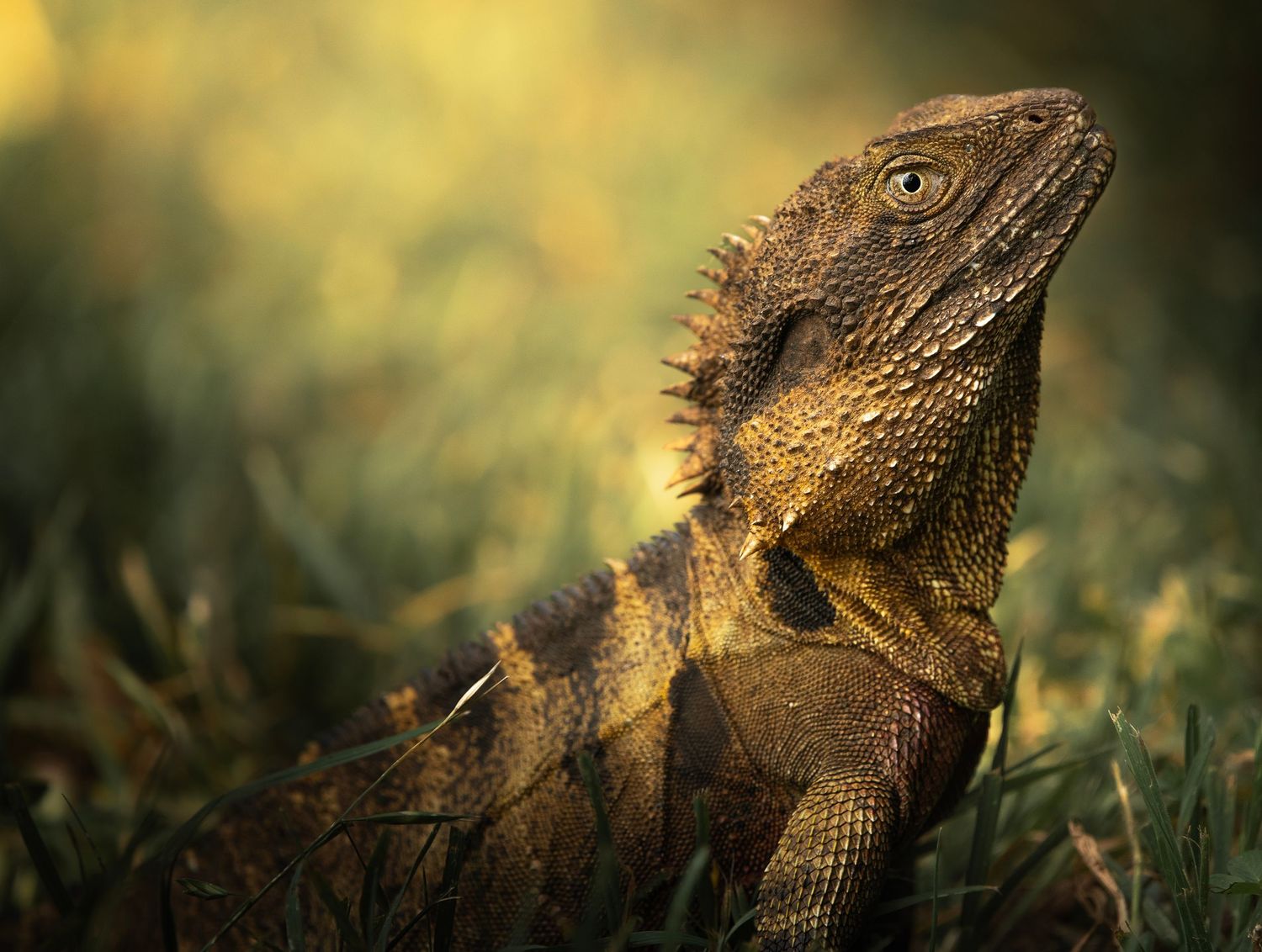
Lighting Scenarios
Golden Hour (Front Light)
Low-angled sun directly behind the photographer illuminating the subject's face and eyes; creates warm tones, sharp detail, and clear catchlights.
Backlighting (Rim Lighting)
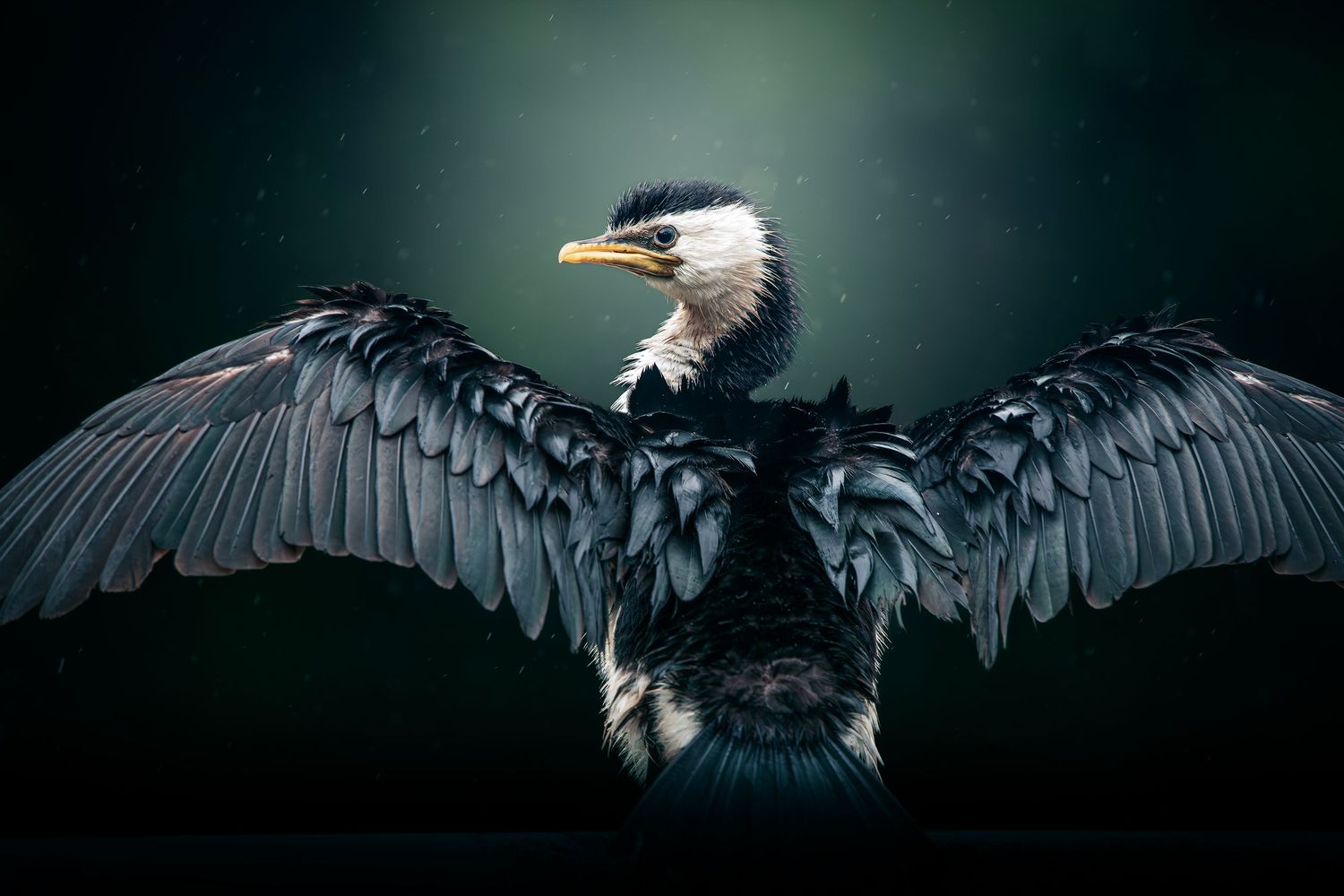
The sun sits directly behind the subject facing toward the lens; highlights fur, feathers, or dust, creating a luminous outline against a darker background.
Side Light / Cross Light
Light hits the subject at a 90 degrees angle; emphasizes texture, muscle structure, and depth by casting strong shadows across one side of the body.
Overcast / Diffused Light
Clouds act as a giant softbox; eliminates harsh shadows and blown-out highlights, making it optimal for dark subjects, forest canopies, and vibrant feather/fur details.
Harsh Midday Overhead Sun
Direct sun from above around noon; creates strong contrast, dark eye sockets, and specular highlights. Often mitigated by exposing for highlights or working under tree canopies.
Dappled / Patchy Light
Sunlight filtering through dense leaf canopies; creates high-contrast hot spots and shadows across the subject, requiring precise spot metering on the subject's eye.
Silhouette Light
Subject is positioned directly against a bright sky or reflective water surface during dawn or dusk; deliberately underexposing highlights the subject's outline rather than surface detail.
Low-Key / Chiaroscuro Light
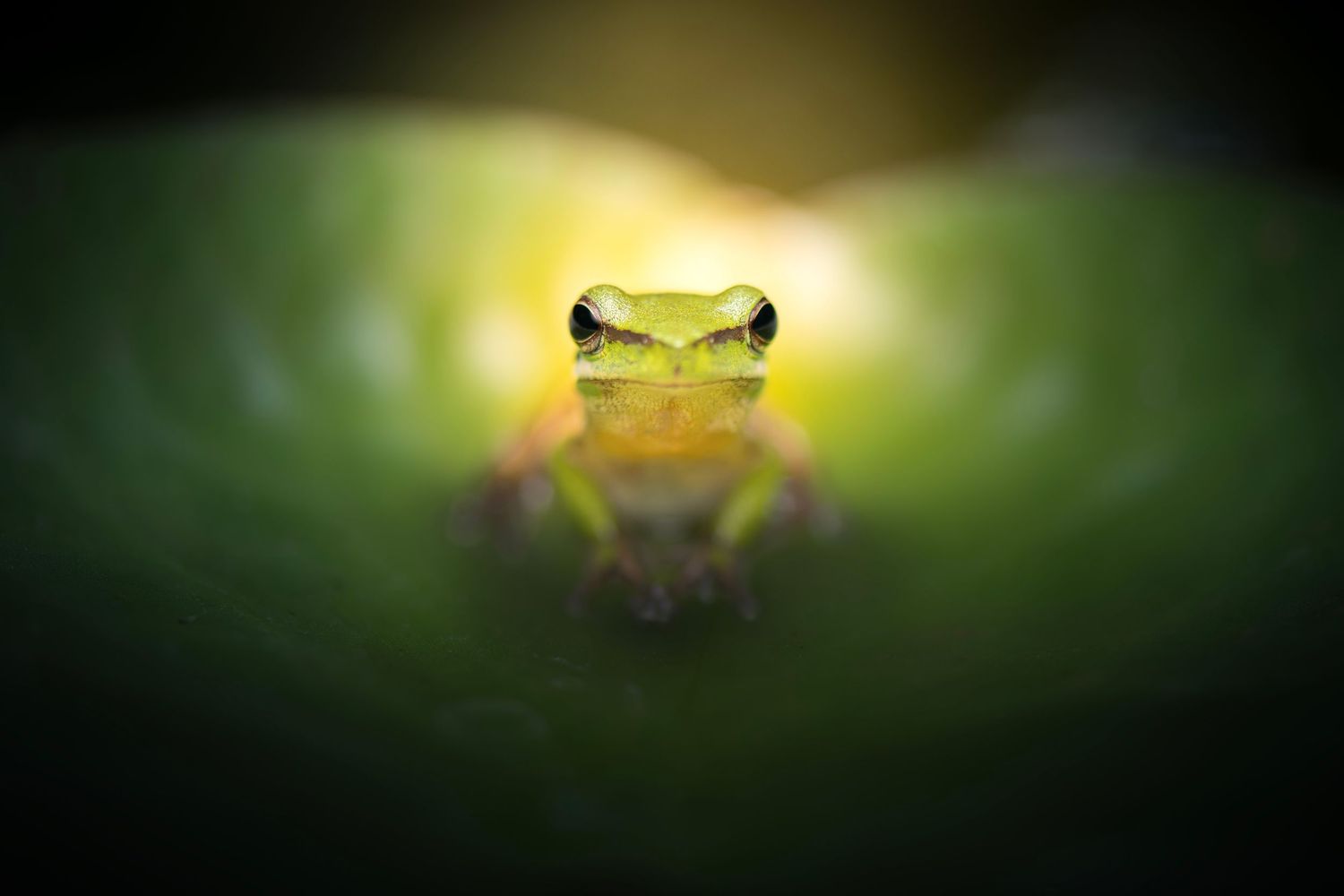
A narrow beam of light hits the subject while the background remains in deep shadow; creates a dramatic, dark, painterly mood.
Twilight / Blue Hour
Soft, cool-toned ambient light immediately before sunrise or after sunset; requires high ISO or wide apertures, producing peaceful, low-contrast scenes.
Artificial Light (Fill Flash / Continuous Light)
Speedlights or diffused LED panels used at low power to push fill-light into dark eye sockets or highlight macro subjects in dark underbrush.
Composition Techniques
Rule of Thirds
Place the subject's eye or primary mass along the grid lines or focal intersections rather than dead-center, giving the frame dynamic balance.
Lead Room / Looking Room
Leave negative space in the direction the animal is facing or moving toward; prevents the shot from feeling cramped or blocked.
Eye-Level Perspective
Get down to ground level or water height with the subject; creates immediate intimacy, narrows depth of field, and separates the animal cleanly from the foreground and background.
Frame Within a Frame
Use foreground elements like branches, leaves, rock crevices, or tall grass to encircle the subject, drawing the viewer's eye directly to the animal while adding depth.
Environmental Context - "Animal in Landscape"
Step back to include a significant portion of the habitat; tells a story about ecosystem, scale, and environment rather than just providing a tight portrait.
Direct Eye Contact / Center Focus
Direct Eye Contact / Center Focus: Position a subject looking straight down the lens dead-center or near the top third; creates a dramatic, intense emotional connection with the viewer.
Leading Lines
Use natural features like fallen logs, coastlines, riverbeds, or tree branches to lead the viewer's gaze through the scene straight to the animal.
Diagonal Motion
Frame moving subjects along diagonal axes across the frame rather than strictly horizontal or vertical; adds energy, speed, and narrative tension.
Minimalism and Negative Space
Isolate a small subject against an expansive, clean background (mist, snow, open sky, or uniform water); emphasizes solitude, scale, and quiet simplicity.
Foreground Blur / Shooting Through
Shoot past close vegetation with a wide aperture to create a soft color wash at the bottom or sides of the frame, adding context without cluttering the subject.
Pattern and Symmetry
Capture repeating elements in herds, flocks, or natural structures (like zebra stripes or flamingos feeding together), breaking the pattern intentionally with a single contrasting animal motion.

Intentional Camera Movement (ICM)
Core Settings Baseline
- Shooting Mode: Manual (M) or Shutter Priority (S/Tv). Manual is preferred to maintain full control over both motion depth and exposure consistency.
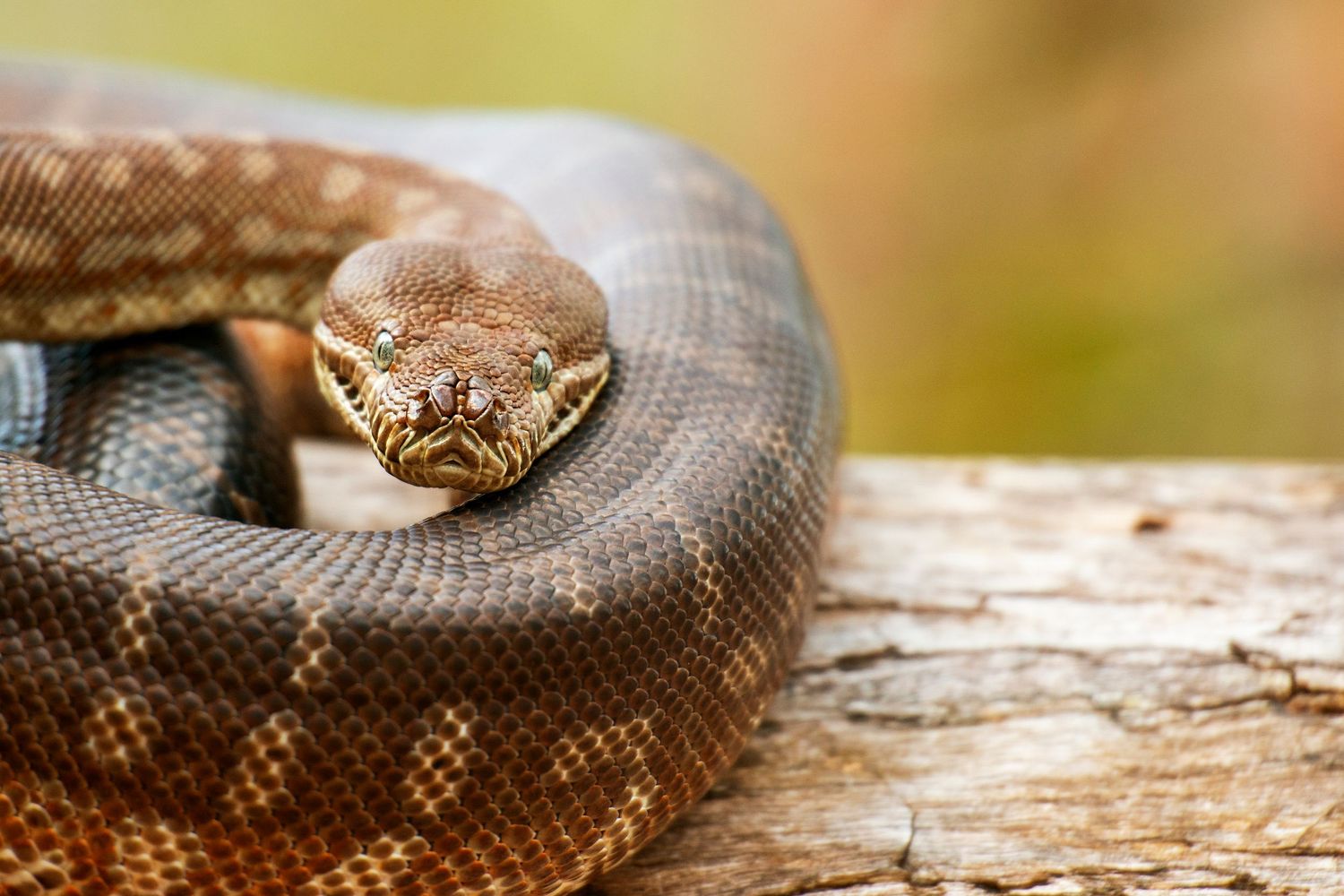
- Shutter Speed: 1/2s to 2 seconds is the sweet spot for smooth, painterly motion.
- 1/15s to 1/4s: Retains recognizable structures, ideal for fast sweeps or panning.
- 1/2s to 1s: Creates soft textures while maintaining leading directional lines.
- 2s to 5s+: Completely abstracts the scene into field sweeps of pure color.
- ISO: Base ISO (64 or 100) to minimize sensor noise and prevent overexposure during long daylight exposures.
- Aperture: f/8 to f/16. Avoid stopping down past f/16 when possible to prevent image degradation from diffraction, though higher f-stops can help cut light in direct sun.
- Focusing: Manual Focus (MF) or AF-ON single point lock. Turn off continuous tracking (AF-C). Set focus on a high-contrast element before moving the camera, or intentionally defocus slightly for softer color transitions.
- Image Stabilization (VR/IBIS): OFF. Built-in stabilization active systems will attempt to counteract your intentional motion, causing unnatural jumps, stuttered blurs, or harsh artifacts in the light trails.
Exposure Control in Daylight
Because ICM requires long shutter speeds, daylight shooting often results in overexposed highlights even at base ISO and f/16.
- Neutral Density (ND) Filters: Use a 3-stop (ND8) or 6-stop (ND64) filter to knock down ambient light without narrowing your aperture into diffraction territory. A circular polarizer can also drop 1.5–2 stops while boosting color saturation.
- Timing: Shoot during golden hour, twilight, or under overcast canopy light where natural light levels are lower.
Movement Techniques & Setting Tweaks
Vertical Panning
- Smooth, straight motion up or down.
- 1/4s – 1s.
- Forest trunks, tall reeds, architectural lines.
Horizontal Sweep
- Fluid left-to-right sweep.
- 1/2s – 2s.
- Ocean horizons, coastlines, field landscapes.
Rotation / Twist
- Rotate camera around lens center.
- 1/2s – 1s.
- Tree canopies looking straight up, flowers.
Zoom Burst
- Smoothly push/pull zoom ring during exposure.
- 1/2s – 2s.
- Single isolated subject (tree, animal, landmark).
Jiggle / Wave
- Gentle erratic twitch or organic S-curves.
- 1/8s – 1/2s.
- Water reflections, autumn foliage, light bursts.
Exposure Triangle
Shutter Speed
- 1/500th to 1/1000s for resting animals.
- 1/2000s for running mammals.
- 1/4000s+ for fast birds in flight or insects (natural light).
Aperture
- Widest setting when using prime lens e.g. f2.8.
- f7.1 or f/8 for animal's body in sharp focus.
- f/11-f/16 Macro.
ISO
- ISO 100 or Auto ISO with a safe upper limit 6400 to 12800.
Vibration Reduction
Vibration Reduction: When to use
- Handheld in low light: When the shutter drops below the focal length: Such as 1/25th on a 50mm lens.
- Shooting static subjects from an unstable platform.
- When using a Telephoto and macro shooting. Rule: If shooting high shutter speeds 1/500th+, not required.
- Handheld macro shooting in low ambient light.
Vibration Reduction: When not to use
- When using FLASH. (A flash pulse typically fires in anywhere from 1/1000s to 1/20,000s)
- When the camera is mounted on a tripod.
- When using a fast shutter speed: 1/500th +
- When panning to track fast motion.
- When shooting on a rigid monopod.
- To conserve battery during long shoots.
Focus and Drive Modes
Focus and Drive Modes
- Autofocus Mode: Continuous AF (AI Servo or AF-C) to track moving subjects.
- Subject Detection: Turn on Animal/Eye Detection if your camera model supports it.
- Drive Mode: High-speed continuous burst mode to secure the exact frame when an animal looks up or moves.
- Zone / Group AF: Uses a small cluster of focus points. Best for birds in flight or running mammals. It gives you a larger target area so you do not lose the animal if it moves erratically.
- Single-Point / Spot AF: Uses one precise focus point. Best for stationary animals or when shooting through heavy clutter like branches, tall grass, or leaves.
- Tracking / Expand Spot: Uses a primary point but activates surrounding points if the subject moves. Best for larger animals moving across open spaces.
- Back-Button Focus: Assign autofocus to a button on the back of the camera (like AF-ON) instead of the shutter button. This lets you stop and start focusing instantly without accidental shots.
- AF Tracking Sensitivity: Adjust this in your camera menu. Set it to "Locked-On" (low sensitivity) so your camera does not accidentally shift focus to a tree or branch if it briefly blocks the animal.
Nikon D850 Menu Tuning
Nikon D850 Menu Tuning
- AF-C Priority Selection (Menu a1): Set to Release. This ensures the camera takes the shot the exact millisecond you press the shutter, preventing missed action frames.
- AF Activation (Menu a8): Set to AF-ON Only (Back-Button Focus). This decouples focusing from the shutter button, allowing you to instantly switch between tracking a moving animal and holding focus on a stationary one.
- Blocked Shot AF Response (Menu a3): Set to 3 or 4 (Delayed). This stops your focus from instantly jumping to passing trees, branches, or grass if something blocks the animal for a split second.
Handheld Setup and General Information
Handheld Setup and General Information
- Shutter Speed Rule: Keep your shutter speed at a minimum of 1/1200th, but push it to 1/2000th or faster at the 600mm end. This counteracts both animal movement and lens shake.
- Focus Mode: Use Dynamic-Area AF (9-point) for birds against cluttered backgrounds. Use AF-ON (Back-Button Focus) to track seamlessly while panning.
- Stance: Tuck your left elbow tightly into your ribcage. Support the lens barrel near the zoom ring with your left palm facing up.
- Handheld Setup for the 105mm (Spiders & Insects) – Ambient Light: Macro shooting handheld is highly challenging because shifting forward or backward by even a millimeter will ruin your focus.
- Vibration Reduction (VR): Switch VR ON. Note that VR becomes less effective at true 1:1 macro distances, but it still helps stabilize your viewfinder image so you can compose the shot.
- Shutter Speed: Shoot at 1/250th, even though 105mm is a shorter focal length, the high magnification turns tiny hand tremors into massive blur.
- Focus Mode: Switch the D850 to Single-Point AF in the viewfinder. Move the single focus point directly over the spider's eye.
- The "Rocking" Technique: Instead of relying on autofocus to hunt back and forth at close range, set your lens to the desired magnification, hold your breath, and slowly rock your upper body slightly forward and backward. Fire a quick high-speed burst the exact millisecond the eye looks razor-sharp in the viewfinder.
Thank You
My mission is to capture unique imagery of the animals we share this planet with, documenting their lives with dignity and respect. I believe that every animal has a story worth telling, and my work is dedicated to ensuring those stories are seen, felt, and remembered for generations to come.
By supporting me, you are helping an individual artist and sole trader to run his business, helping with outgoing costs including travel, administrative costs, equipment maintenance, public liability, and much more.
The money isn't used for anything but business costs. Every bit of support really helps; I appreciate your support.